

5 min read

Could the container you use to store your lunch be affecting your food? A recent episode of BBC Radio 4's Sliced Bread explored the evidence behind plastic food storage, bringing together leading experts in toxicology and food packaging. Here's what they found—and what it means for everyday kitchens.

Plastic food containers are everywhere—but should we be concerned?

Plastic food containers have become part of everyday life. We use them to store leftovers, freeze batch-cooked meals, pack lunches for work and school, and reheat food in the microwave.

They're lightweight, inexpensive and convenient.

But growing awareness of microplastics and chemical migration has left many people wondering whether plastic is still the best material for storing food.

These questions were explored in a recent episode of BBC Radio 4's Sliced Bread, where presenter Greg Foot spoke to two internationally recognised experts:

Rather than asking whether plastic containers are simply "good" or "bad", the programme explored a more useful question:

What is the safest and most practical material for storing food?


Can chemicals from plastic get into your food?

The short answer is yes.

Dr Jane Muncke explained that while the large polymer chains that make up plastic stay intact, smaller molecules within the material can migrate into food over time.

Several factors increase this migration, including:

  • Heat

  • Long storage times

  • Fatty foods

  • Acidic foods

One simple demonstration discussed during the programme is familiar to many of us. If a plastic container becomes permanently stained by foods like tomato sauce or curry, it shows that the material is interacting with the food.

As Dr Muncke explained, migration isn't a one-way street. If a material can absorb chemicals from food, it can also release chemicals back into it.

It's worth noting that the British Plastics Federation told the programme that all food-contact materials—including plastics, glass and metals—can involve some degree of migration under certain conditions, but that current food safety regulations are designed to keep any exposure within established safety limits. They also said staining alone is not evidence of harmful chemical migration.


What does "BPA-free" really mean?

Many reusable food containers proudly advertise themselves as BPA-free.

BPA (Bisphenol A) has been used in plastics for decades but has become well known because it can interfere with hormone function. It has recently been banned from food-contact materials in the European Union, with similar action expected in the UK.

However, the programme highlighted an important point.

According to Dr Muncke, BPA has often been replaced with closely related chemicals such as Bisphenol S (BPS) and Bisphenol F (BPF), which may have similar properties but have not all been studied to the same extent.

In other words, BPA-free doesn't necessarily mean free from all chemicals of concern.


Should you microwave food in plastic?

This was one of the clearest practical recommendations from the programme.

Although many containers are labelled microwave safe, Dr Stephanie Wright said she personally avoids microwaving food in plastic because of concerns about increased chemical migration.

Dr Muncke also pointed out that the term "microwave safe" can be misleading.

It doesn't mean that no chemicals migrate into food. It simply means the product complies with current regulations for microwave use.

If you regularly reheat leftovers, transferring food to a glass or ceramic dish before microwaving is a simple way to reduce plastic contact with hot food.


What about dishwashers?

Most reusable plastic containers are also labelled dishwasher safe.

But the experts advised caution here too.

Heat, detergent and repeated washing gradually age plastic, causing the surface to become rough, scratched or cloudy.

Older plastic tends to release more chemicals and generate more microplastics than newer plastic.

If your favourite lunchbox has become rough around the edges or permanently stained after years of use, it may be time to replace it.


Are microplastics a health risk?

Microplastics have become one of the biggest environmental stories of recent years.

The programme confirmed that plastic food containers can release tiny plastic particles, particularly after repeated heating, freezing, washing and general wear.

The reassuring news is that there is currently no evidence that normal day-to-day exposure from food containers causes immediate harm.

However, there are still important unanswered questions.

Scientists are particularly interested in nanoplastics—particles much smaller than microplastics—which may be capable of passing through cell walls and entering the body more easily.

Research in this area is moving quickly, but the experts agreed that much more evidence is still needed.


So what materials did the experts use themselves?

One of the most interesting moments came right at the end of the programme.

Rather than recommending a particular brand, both experts simply described what they use in their own kitchens.

Their answer was remarkably similar.

Both said they mainly use:

  • Glass containers at home.

  • Stainless steel containers for taking food to work.

  • Silicone seals where needed to make containers leakproof.

Both also said they try to reduce the amount of plastic in contact with food whenever practical.


Where does stainless steel fit in?

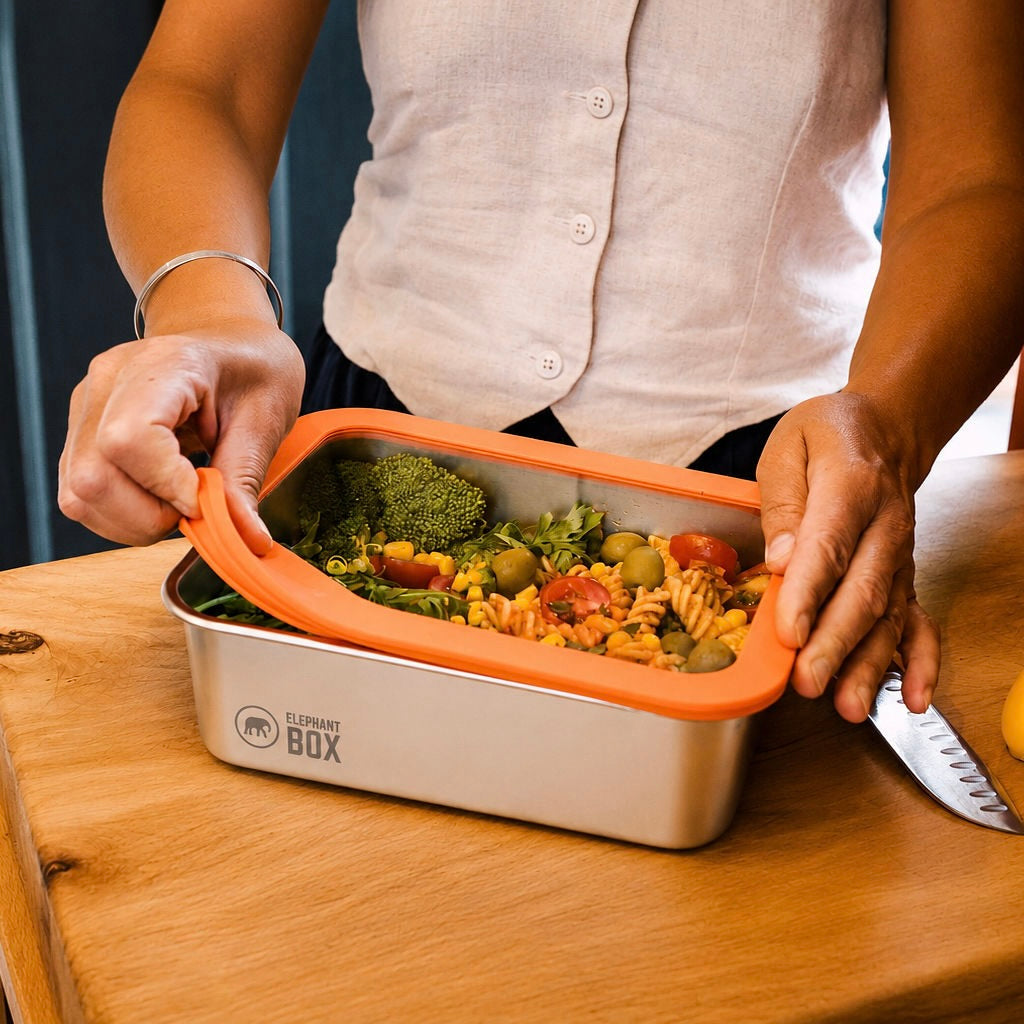
During the programme, Greg Foot highlighted stainless steel food containers as one of the alternatives to plastic, including the Elephant Box stainless steel food container made from premium 304 stainless steel. The discussion also touched on newer stainless steel containers designed for microwave use, although only according to the manufacturers' instructions.

Later in the discussion, Dr Muncke said she personally prefers materials that are inert—materials that neither absorb nor release chemicals. She cited both glass and stainless steel as examples she uses herself.

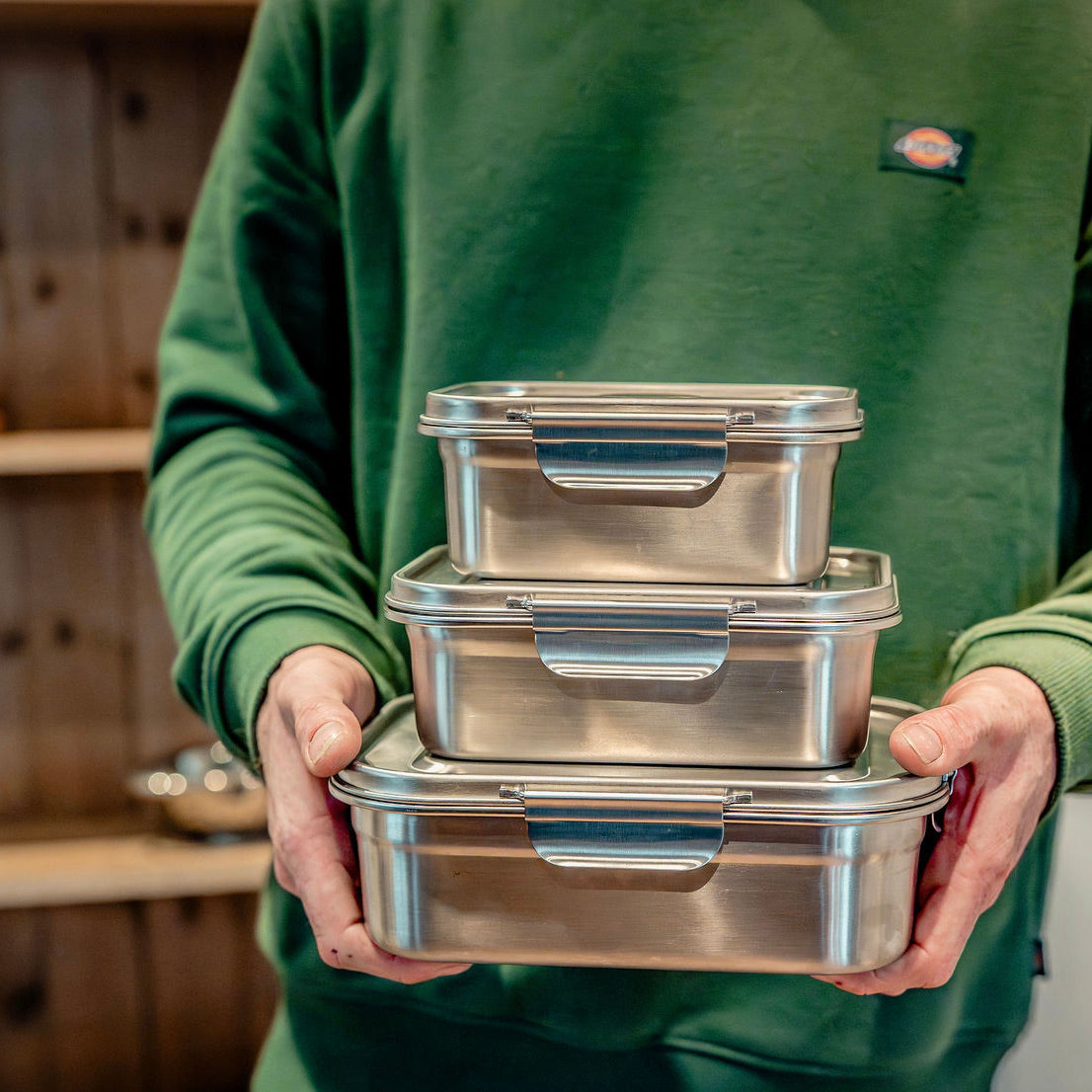
For many people, stainless steel offers a practical balance of durability, light weight and longevity. Unlike glass, it won't shatter if dropped, making it particularly well suited to packed lunches, picnics and everyday use.


Our takeaway

The programme didn't conclude that everyone should throw away their plastic containers tomorrow.

Instead, it painted a more balanced picture.

Current regulations are designed to keep food-contact materials safe, and there is no evidence that using plastic containers occasionally poses an immediate health risk.

At the same time, the experts agreed that reducing unnecessary exposure—particularly to heat and ageing plastic—is a sensible precaution.

If you're looking to make simple changes, their advice was straightforward:

  • Replace old, scratched plastic containers.

  • Avoid microwaving food in plastic where possible.

  • Let hot food cool before sealing containers.

  • Consider glass or stainless steel for long-term food storage.

  • Choose durable products designed to last for many years.

Sometimes the simplest changes are the ones that make the biggest difference.


Also in BLOG

How to Throw a Kids’ Birthday Party Without the Waste

How to Throw a Kids’ Birthday Party Without the Waste

3 min read

A guide to simple swaps kids and the planet will love, from Party Kit Network’s Isabel Mack.

Read More
25 Healthy Kids’ Lunchbox Ideas

25 Healthy Kids’ Lunchbox Ideas

3 min read

Beat lunchbox boredom! 25 healthy, easy, and colourful lunch ideas for kids — wraps, snacks, smoothies, and tips for busy parents.

Read More
Best Lunchbox for Kids

Best Lunchbox for Kids

2 min read

Find the best stainless steel lunchbox for every age—durable, non-toxic, and perfect for school lunches, snacks, and everything in between.

Read More