


I love this size box. I have five of them now and use them daily.
I love food storage and this is the best you get.
Very strong exerlent quality and will surve for a long time
Love these containers. Another step on my toxin free journey.

2 min read
A person's carbon footprint is the amount of carbon dioxide & other greenhouse gases released into the atmosphere because of their actions. These actions include things like driving, flying a plane, energy production or making or buying products.
CO2 & Climate Change
Carbon dioxide is a greenhouse gas & it's emissions are a major contributing factor to climate change. It's produced by human activities & naturally by things like the ocean or volcanoes! It then rises into the Earth's atmosphere where it traps heat in, which leads to a warming effect known as global warming.
Human activities have raised the carbon dioxide content by 50% in less than 200 years. It was agreed at COP21 that emissions need to be reduced by 45% by 2030 and reach net zero by 2050.
Let's consider the disposable takeaway cup. Disposable products contribute significantly to the global waste crisis. In the UK 7 million cups are thrown away every day. That's around 350,000kg CO2 It's worth noting that methane, another potent greenhouse gas, is also produced by landfill - & most disposable cups go to landfill - after being driven there!

There comes a break-even point where the longer lasting item, despite potentially higher initial carbon emissions, ultimately possesses a smaller carbon footprint than the multiple similar products that have been disposed of.
Reusable Vs Disposable. The manufacture & shipping of our cup produces 0.7kg of CO2e where as the disposable cup produces 0.05kg of CO2e. This means that if you use our reusable cup just 15 times you are carbon quids in.
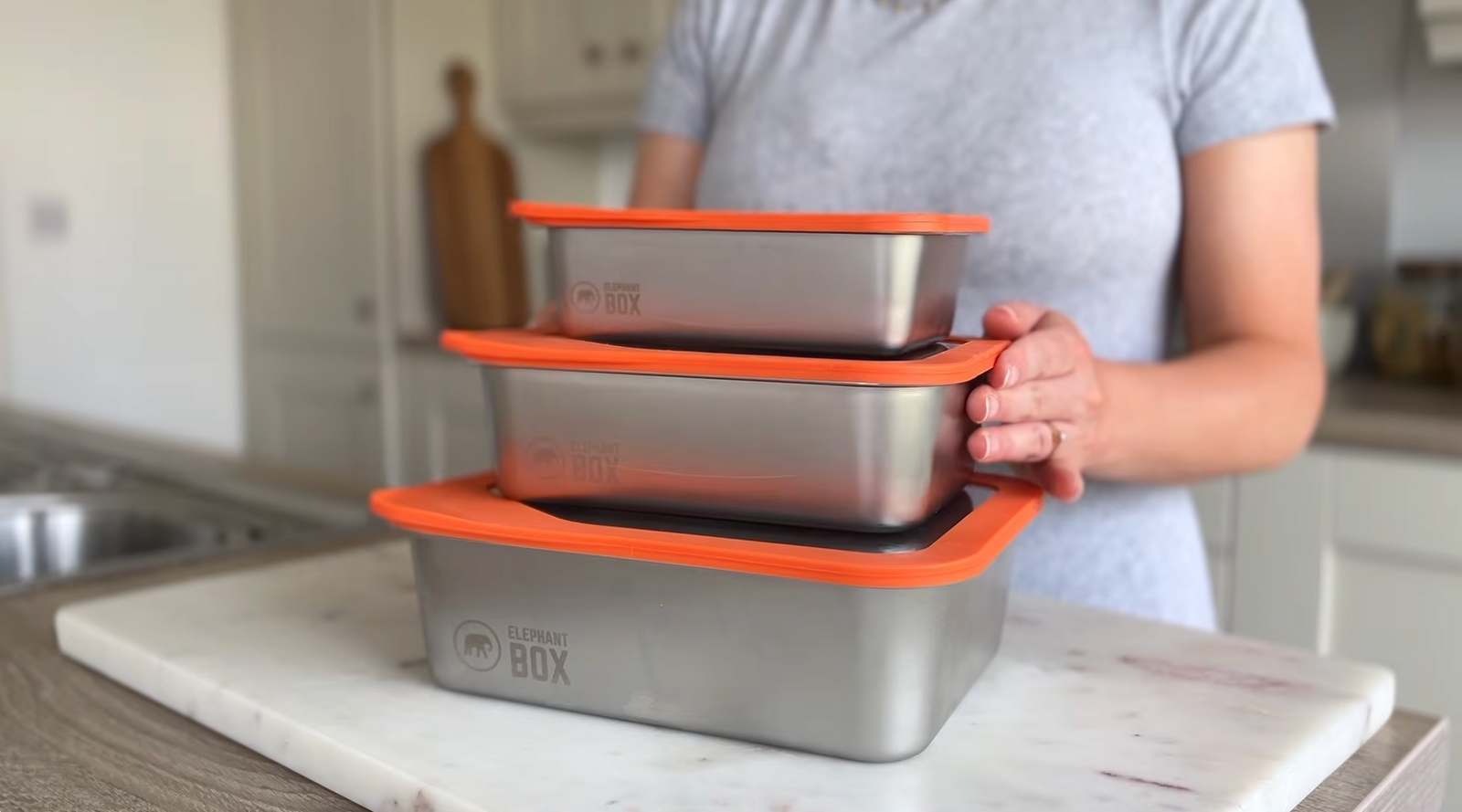
The Original Elephant Box. How does the steel lunchbox stack up carbon wise?
Our 2ltr original Elephant Box is responsible for 2.56kg of CO2e being released during it's manufacture & shipping. A comparable plastic lunchbox produces 0.88kg CO2e

This means that once you have bought, thrown away & replaced a plastic lunchbox 3 times you would be carbon quids in had you bought a steel lunchbox.
Understanding Carbon Footprints
Every time we buy or use a product, there is a carbon cost/footprint associated with it. This footprint represents the amount of CO2 produced and released into the atmosphere during its manufacture, transportation, and disposal. A lower carbon footprint means less CO2 released into the atmosphere. Less CO2 is the main aim!
How to reduce our Personal Carbon Footprint?
There are lots of ways.
Opt for products with lower carbon footprints, embrace energy-efficient appliances, minimize waste, try not to replace things that still have life left in them & ride a bicycle or take public transport when we can. This way we can enact meaningful change. When we take responsibility for our individual actions it adds up to collective responsibility.
Think about what we buy. This could mean buying fewer things & also means buying things that will last longer & not need replacing as frequently. How something is disposed of also has an impact.

3 min read
Beat lunchbox boredom! 25 healthy, easy, and colourful lunch ideas for kids — wraps, snacks, smoothies, and tips for busy parents.

2 min read
Find the best stainless steel lunchbox for every age—durable, non-toxic, and perfect for school lunches, snacks, and everything in between.
Sign up for the latest news from Elephant Box, plus 10% off your first order.


I love this size box. I have five of them now and use them daily.
I love food storage and this is the best you get.
Very strong exerlent quality and will surve for a long time
Love these containers. Another step on my toxin free journey.
I love this size box. I have five of them now and use them daily.
I love food storage and this is the best you get.
Very strong exerlent quality and will surve for a long time
Love these containers. Another step on my toxin free journey.